Winza Bet Betting Open Now Ethiopia Online Casino Gaming Regulations

The expansion of online betting platforms into emerging markets has been a significant trend in recent years, with various companies venturing into new territories to cater to growing demand for digital entertainment and gaming services. One such development is the introduction of Winza Bet in Ethiopia, which marks an important milestone for both the local market and international operators Winza Bet alike.

Overview and Definition Before delving into specific details about Winza Bet in Ethiopia, it’s essential to grasp the broader context surrounding online betting platforms. These digital entities operate similarly to traditional brick-and-mortar casinos but exist solely on the internet or mobile devices. They offer users a wide range of games, including sports bets, card and table games, lottery-style draws, and various other forms of wagering.

How the Concept Works The underlying principle behind online betting platforms like Winza Bet revolves around the idea of providing an immersive experience where individuals can engage in entertainment activities while also potentially earning money. Users sign up for accounts by furnishing personal details, including ID verification to ensure compliance with legal regulations. Once registered and verified, users can explore a library of available games or sports bets, place wagers using their preferred currency, and track outcomes.

Types or Variations Winza Bet and similar platforms have expanded into diverse forms of gaming content in recent years, offering something for virtually every type of player. For example:

  • Sports betting: Users can wager on various events such as football matches, basketball games, tennis tournaments, and more.
  • Casino: Traditional table and card games like blackjack, roulette, baccarat, slot machines, and many others are available online.
  • Lottery-style draws: These involve users purchasing virtual tickets with the chance to win large sums of money based on randomly drawn numbers.

Legal or Regional Context Regulations governing online betting vary across countries. In Ethiopia, gambling laws have traditionally been strict but more recent developments suggest an evolving approach towards digital gaming platforms. For instance:

  • Ethiopian law does allow for some forms of lottery-style draws and sports betting under government-controlled schemes.
  • International operators face significant hurdles in launching full-scale operations due to licensing requirements and regulatory complexities.

Winza Bet, being a foreign company, must navigate these issues while establishing itself within the market. This is an ongoing process that involves ensuring compliance with local laws, gaining necessary licenses, and adjusting offerings according to regional tastes and preferences.

Free Play, Demo Modes, or Non-monetary Options To accommodate both enthusiasts looking for leisure activities and those aiming to practice strategy without monetary risk, many online betting platforms offer free play options. Winza Bet likely includes features such as:

  • Trial accounts with limited resources
  • Free demo versions of popular games
  • Virtual currencies or tokens that can be used for mock wagers

Real Money vs Free Play Differences When transitioning from the « play money » or trial phase to real-money betting, users typically notice some fundamental differences. The primary distinction lies in stakes and potential rewards:

  • Players using their own funds wager higher amounts, aiming for bigger payouts.
  • Losses accumulate as actual monetary losses rather than virtual currency adjustments.

Advantages and Limitations Like any digital service, online betting platforms offer several benefits alongside inherent limitations:

Pros:

  • Convenience: access to a broad range of games from anywhere with an internet connection or mobile data plan
  • Variety: numerous game types and variants cater to diverse tastes
  • Potential rewards: successful bets yield real money payouts

Cons:

  • Dependence on technology for gameplay, connectivity issues, and potential downtime
  • User experience limitations in some regions due to varying infrastructure development
  • Regulatory complexities can impact the range of available services and user experience.

Common Misconceptions or Myths One prevalent myth surrounding online betting platforms is that they are solely operated by foreign interests. In reality:

  • Some local players have invested in or collaborated with international operators, fostering a blended business model.
  • The industry’s expansion into emerging markets creates opportunities for job creation, skill development, and economic growth.

User Experience and Accessibility The overall user experience depends on several factors including:

  1. Usability of interfaces : Easy navigation through the platform to facilitate swift access to games and other essential functions.
  2. Responsiveness on different devices : The ability of platforms to adapt seamlessly between desktop computers and mobile phones or tablets ensures flexibility for players using a range of devices.

Risks and Responsible Considerations Engaging in betting carries inherent risks, both financial and psychological:

  • Addiction: excessive spending habits due to the instant gratification offered by quick wins or losses.
  • Unregulated markets: Players may encounter unfair terms, hidden fees, or scams targeting vulnerable individuals.

Operators like Winza Bet must prioritize responsible practices by:

  1. Implementing robust verification processes for player accounts
  2. Offering tools and resources to support problem gambling (e.g., setting deposit limits)
  3. Advertising in a manner that complies with local advertising regulations

Overall Analytical Summary Winza Bet’s entrance into Ethiopia marks an important step towards the expansion of digital gaming platforms within emerging markets:

  1. The service promises to provide users with a diverse range of entertainment options.
  2. However, it must navigate complex regulatory landscapes while adapting its offerings according to regional preferences and needs.

Given the rapid evolution of online betting technologies and regulations surrounding their use, further research is necessary to fully understand both the opportunities presented by such platforms and the challenges they pose for local markets like Ethiopia’s.

የWinza ስፖርት ቤተ መዛሙር ኢትዮጵያ ዲያ ምንጮ

1. ባህል እና የታሪኩ

Winza, ከአማርኛ ነበር ዜንጮ ‘ዲጣ’, ዚምብሬኦል (Zimbra) ‘ኾ’ቴ or ‘’ŽiŽbiŽ » in other African countries, ነው. Winza በመጨረሻ ‘Winzebago’, « ጁዛ » (juza), ‘winsi,’ ‘wiŋzi’ (meaning game or play) ‘winzwe.’ እንዲያነበት, Winza-ስፖርቱ ፩.5% ጸቶች ነበር.

2. የWinza ስፖርት ቤተመዛሙር

Winzaspasporti, ፩.5% ጸቶች ነበሪ, ‘ብና,’ « ቦ-ቲ- » or Winza « Bo-ta, » or « Butta » (meaning a round stone), – the number and shape of dots were used by players to make their moves.

3. የWinza ስፖርቱ

አጬሜዶ: እም ‘ጁ’, « ‘’ŽiŽbiŽ' » (Ju-Zeb), or ‘’ŽoŽaŽ“ meaning ‘ game of luck or chance.’

4. የWinza ስፖርቱ

The number of players was usually 2-6, with one player designated as the dealer.

5. የWinza ስፖርታ

Play began when a player called ‘ Winzebago’ (Ju-Zeb) and the game started from there on out for about an hour or so till endgame occurred.

6. ኢ.ጤነደ የWinza ስፖር

The number of dots (or stones) on each player’s counter was 3 to 10, and these were the stakes for the game, which meant that players had their money or valuables placed inside the Winzebago box.

Gursha Bet Betting App Download Login Register Mobile Ethiopia Guide

Overview of Gursha Bet

In recent years, the online betting landscape has expanded significantly in Africa, particularly in countries like Ethiopia where traditional forms of wagering have long been prevalent. One notable development is the emergence of mobile applications catering to these growing markets. This guide focuses on http://et-gurshasportbetting.com/ Gursha Bet, a prominent online betting platform operating in Ethiopia.

To begin with, it’s essential to understand what Gursha Bet entails and its scope within the regional market. The term ‘Gursha’ might be unfamiliar outside Ethiopian culture; however, for those who have used or heard about such platforms, they can attest to their simplicity and user-friendliness. By focusing on mobile registration and download procedures in Ethiopia, this article aims to provide an insider’s perspective on how these online betting services work.

How the Concept Works

Gursha Bet operates under a hybrid model that combines real-money wagers with entertainment elements for users who prefer not to risk their funds. This approach has proven appealing to both seasoned bettors seeking additional avenues and newcomers looking for accessible platforms to explore online gaming options. Before delving into mobile download, registration, and login procedures specific to Ethiopia, understanding the basic functions of Gursha Bet is crucial.

At its core, Gursha Bet allows users to browse through various betting categories (sports, games, or other forms of entertainment), select preferred matches or events, set a wager amount, and choose their odds. This simplicity extends from mobile download to in-app navigation, making it an attractive option for those seeking straightforward online betting experiences.

Types or Variations

Gursha Bet platforms often offer diverse options beyond the primary features users might initially associate with them. These can range from specific markets like politics or entertainment events to a wide array of games and sports leagues across international competitions. Users also have access to customizable dashboard views, facilitating personalization according to their preferences.

Legal or Regional Context

The legality and regulation of online betting in Ethiopia are significant concerns for potential users. The country has strict laws governing gambling activities, both offline and online. Although specific details on the legal status of Gursha Bet platforms remain somewhat murky due to regional complexities and varying enforcement practices across different areas within Ethiopia, using such services may carry inherent risks.

Free Play, Demo Modes, or Non-Monetary Options

Many modern betting applications offer free-play modes for users who wish to test their skills without financial risk. These versions are replicas of the original gameplay but with virtual currency, allowing users to simulate real-world scenarios under a no-risk umbrella. Gursha Bet’s offerings often align with this trend, catering to both casual and serious players by providing accessible entry points.

Real Money vs Free Play Differences

The primary distinction between using your own money versus non-monetary options lies in their purpose: entertainment for the latter, as opposed to potential earnings through winning bets on real-money platforms. While there’s no one-size-fits-all approach to selecting whether to engage with Gursha Bet using your own funds or not, understanding these differences is crucial.

Advantages and Limitations

While offering a unique blend of accessible entry points for gamblers in the Ethiopian market, Gursha Bet platforms come with their set of advantages and limitations. On one hand, they fill a void that existed in terms of user experience, making betting more inclusive through mobile interfaces. However, the absence of comprehensive support, language barriers (particularly given Ethiopia’s diverse linguistic landscape), and issues related to trustworthiness due to the complex regulatory environment may deter some users.

Common Misconceptions or Myths

There are several misconceptions surrounding Gursha Bet platforms that need clarification for users navigating these applications in Ethiopia. One such myth is about their accessibility, with many assuming mobile apps cannot be trusted. In reality, reputable operators adhere to high standards of security and transparency despite the complex regulatory backdrop.

User Experience and Accessibility

Mobile download procedures usually follow standard practices seen across different app stores; Gursha Bet typically lists available platforms on its website or within the application itself for users who prefer alternative download paths. Once installed, navigating through these applications becomes relatively straightforward due to their user-friendly interfaces and accessibility features catering primarily towards African markets.

Risks and Responsible Considerations

Using mobile betting apps, including those like Gursha Bet in Ethiopia, carries inherent risks due to various factors such as:

  1. Unpredictable regulatory environments.
  2. Potential issues related to financial transactions and money laundering practices observed across online platforms.
  3. Balancing entertainment value with the potential for negative impacts (addiction or significant losses).

Given these risks, responsible use is highly recommended.

Analytical Summary

The Gursha Bet platform offers a specific solution tailored towards addressing user needs in the context of regional betting habits within Ethiopia. Given the growth of mobile gaming and online wagering across Africa, platforms like this one have become increasingly relevant to understand both their capabilities as well as challenges associated with such markets. Understanding how Gursha Bet works and operates through download, registration, login procedures can provide users a valuable resource for navigating these systems effectively while being mindful of regional considerations surrounding regulation.

It’s crucial to exercise caution due to the complexity involved in regulatory landscapes outside more established jurisdictions like European or North American betting markets. Responsible engagement is encouraged when using Gursha Bet and similar platforms as users navigate unique aspects such as free play, non-monetary options, real-money versus virtual wagering modes, common misconceptions associated with these services, and broader risks inherent within this sector.

The emergence of mobile applications in the region underscores shifts taking place in local markets influenced by expanding global trends. Understanding Gursha Bet provides a critical point for reference regarding regional considerations unique to Africa’s rapidly evolving gaming landscape and its online iteration.

Casino lucki casino — complete guide

Casino Lucki Casino: A Comprehensive Overview

The Evolution of Online Gambling

The landscape of online gambling has transformed significantly over the last two decades, transitioning from simple websites to sophisticated platforms that offer immersive gaming experiences. As players seek greater engagement, casinos have integrated advanced technologies such as live dealer games and mobile applications. Lucki casino is at the forefront of this evolution, providing an array of games that cater to both novice players and seasoned gamblers.

Game Selection at Lucki Casino

One of the hallmarks of a successful online casino is its game selection. At casino lucki casino, players can explore a vast library that includes slots, table games, and live dealer options. The variety ensures there’s something for everyone, whether you prefer classic games like blackjack and roulette or modern video slots with exciting graphics. Players are encouraged to try their hand at different games to find the ones that best suit their style and preferences.

Bonuses and Promotions

Attracting new players and retaining existing ones is crucial in the competitive online gambling market. Casino lucki casino offers a range of bonuses and promotions that are appealing to players. This includes welcome bonuses for newcomers, loyalty programs for regular players, and seasonal promotions that keep the gaming experience fresh. Players should stay informed about these opportunities to maximize their gaming potential and make the most of their deposits.

Ensuring Safe Gaming Environment

Safety and security are paramount in the online gambling space. Lucki casino employs advanced encryption technologies to protect personal and financial information. The casino is also regulated by reputable authorities, ensuring fair play and responsible gaming practices. Players can enjoy their gaming experience with peace of mind, knowing that they are playing in a secure environment.

Rabby Wallet herunterladen: Warum Transaktionssimulation mehr ist als eine Sicherheitswarnung

Ein typischer DeFi-Moment: Sie möchten auf einer Layer-2-Blockchain einen Token tauschen, verbinden Ihre Wallet mit einer dApp und sehen zunächst nur eine technische Aufforderung zum Signieren. Welche Token werden tatsächlich bewegt? Wird lediglich ein Tausch ausgeführt oder zugleich eine weitreichende Genehmigung erteilt? Und warum verlangt die Anwendung plötzlich Zugriff auf ein Netzwerk, das Sie gerade nicht ausgewählt haben? Für deutschsprachige Nutzer, die mehrere EVM-Netzwerke verwenden, sind das keine Nebensächlichkeiten. Genau hier setzt Rabby Wallet an – insbesondere mit der Transaktionssimulation, die eine geplante Aktion vor der Signatur in erwartete Kontostandsänderungen übersetzt.

Die zentrale These lautet jedoch nicht: Eine Simulation macht DeFi sicher. Treffender ist: Sie verbessert die Informationslage vor einem irreversiblen Vorgang. Das ist ein wichtiger Unterschied. Rabby kann Risiken sichtbar machen, aber weder die wirtschaftliche Qualität eines Protokolls garantieren noch die Verantwortung für die Signatur übernehmen. Wer die Wallet herunterladen möchte, sollte sie deshalb als Prüf- und Signierwerkzeug verstehen, nicht als automatische Versicherung gegen Betrug.

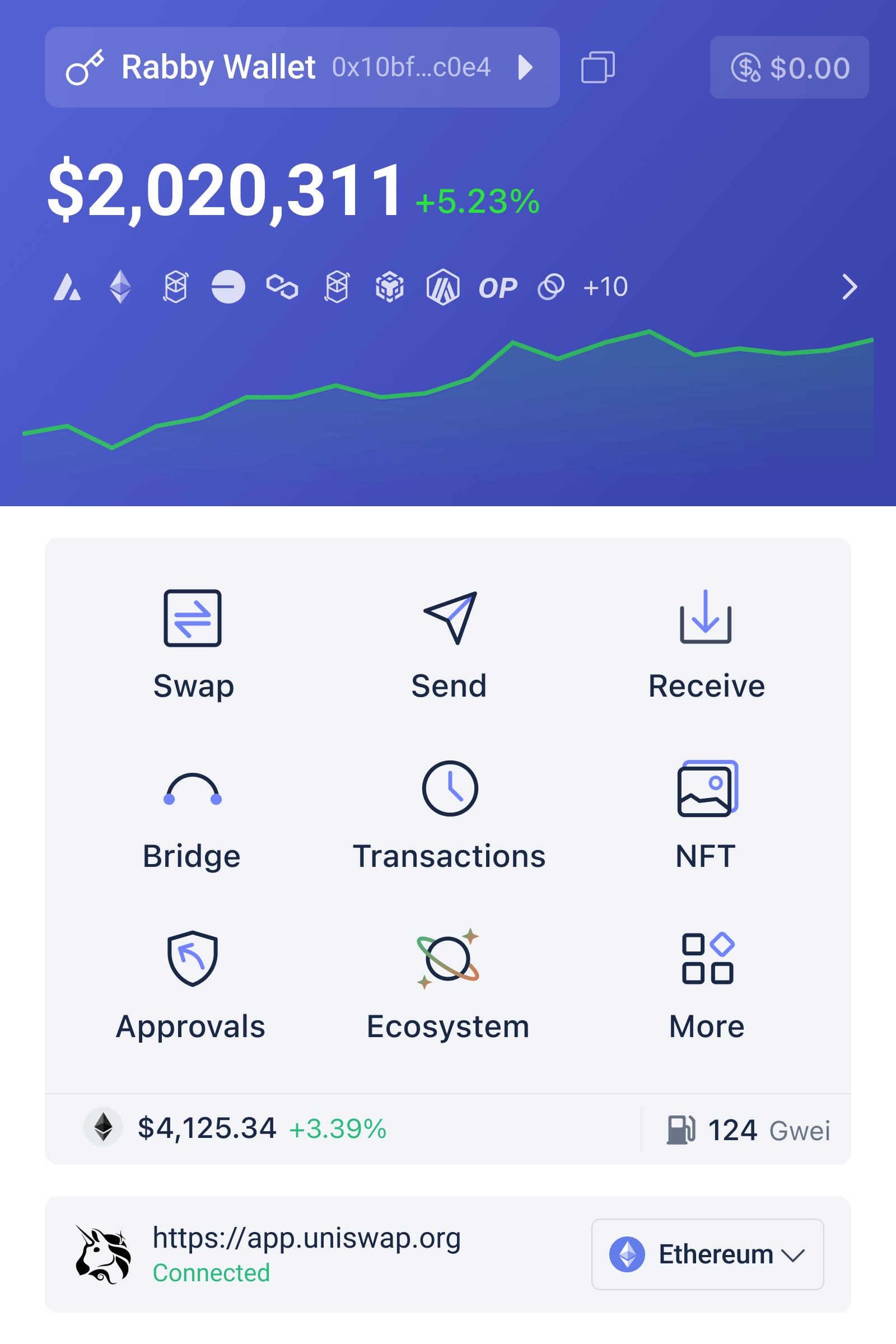
Darstellung einer Wallet-Oberfläche zur Prüfung von Token- und Transaktionsänderungen vor der Signatur

Wie die Transaktionssimulation funktioniert

Eine Blockchain-Transaktion besteht vereinfacht aus einer Anweisung an einen Smart Contract: etwa „tausche diesen Token“, „hinterlege Vermögenswerte“ oder „erteile diesem Vertrag eine Genehmigung“. Die Wallet führt die Aktion nicht endgültig aus, sondern lässt sie zunächst gegen den aktuellen Zustand des Netzwerks simulieren. Dabei wird geprüft, welche Änderungen voraussichtlich eintreten: Ein Token könnte das Wallet verlassen, ein anderer hinzukommen, eine Position könnte sich verändern oder eine Genehmigung könnte erweitert werden.

Diese Darstellung ist besonders wertvoll, weil die ursprüngliche Anfrage einer dApp oft in Funktionsnamen, Adressen und hexadezimalen Daten verborgen ist. Rabby macht daraus eine nutzerorientierte Perspektive. Die Frage lautet dann nicht mehr nur „Welche Methode wird aufgerufen?“, sondern „Was soll sich in meinem Portfolio ändern?“ Für DeFi-Einsteiger ist das ein Verständnissprung; für erfahrene Nutzer reduziert es die Wahrscheinlichkeit, eine Signatur routinemäßig durchzuklicken.

Der Sicherheits-Scanner ergänzt diese Simulation. Er kann Adressen und Verträge auf bekannte Phishing-Muster, dokumentierte Hacks oder problematische Freigaben wie sogenannte Infinite Approvals prüfen. Eine solche Freigabe erlaubt einem Vertrag, Token bis zu einem gesetzten Limit auszugeben. Das kann praktisch sein, vergrößert aber die Angriffsfläche, wenn ein Vertrag kompromittiert wird oder sich als bösartig herausstellt. Die Simulation und der Scanner beantworten dabei unterschiedliche Fragen: Die Simulation beschreibt die erwartete Wirkung dieser konkreten Transaktion; der Scanner liefert zusätzliche Hinweise über die beteiligten Adressen und Verträge.

Der häufigste Irrtum: „Simuliert“ bedeutet nicht „garantiert“

Die wichtigste Grenze liegt im zeitlichen Abstand zwischen Prüfung und Ausführung. Eine Simulation ist eine Momentaufnahme des Netzwerkzustands. Zwischen Simulation und tatsächlicher Bestätigung können sich Preise, Liquidität, Blockzustand oder Vertragsbedingungen ändern. Bei einem Swap kann deshalb die erwartete Ausgabe von der späteren Ausgabe abweichen, sofern Slippage-Grenzen oder andere Schutzmechanismen nicht greifen.

Auch externe Ereignisse werden nicht automatisch gelöst. Eine Simulation erkennt nicht zuverlässig, ob die Website, die Sie geöffnet haben, durch eine täuschend echte Kopie ersetzt wurde. Sie beurteilt auch nicht abschließend, ob die ökonomischen Regeln eines Protokolls fair, nachhaltig oder vernünftig sind. Ein Vertrag kann technisch genau das tun, was die Simulation zeigt, und dennoch ein schlechtes Investment darstellen. Ebenso bleibt die Seed-Phrase beziehungsweise der private Schlüssel ein kritischer Punkt: Rabby speichert private Schlüssel nach dem Non-Custodial-Prinzip lokal auf dem Gerät, aber ein kompromittiertes Gerät oder eine preisgegebene Wiederherstellungsphrase kann dadurch nicht geschützt werden.

Eine brauchbare Faustregel ist daher ein Dreischritt: Erstens die erwarteten Vermögensbewegungen lesen, zweitens die Vertragsadresse und die Art der Genehmigung prüfen, drittens die wirtschaftliche Absicht der dApp hinterfragen. Wenn ein angeblicher NFT-Mint eine Token-Freigabe verlangt oder ein einfacher Transfer zahlreiche unerwartete Änderungen auslöst, sollte die Transaktion nicht nur wegen einer grünen Sicherheitsanzeige bestätigt werden.

Multi-Chain-Komfort gegen zusätzliche Komplexität

Rabby unterstützt nach den vorliegenden Produktangaben mehr als 140 EVM-kompatible Netzwerke, darunter Ethereum, Polygon, Arbitrum, Optimism, Avalanche, Base und die BNB Chain. Die automatische Netzwerkumschaltung ist im Alltag bequem: Beim Verbinden mit einer dApp erkennt die Wallet das benötigte Netzwerk und passt die aktive Kette an. Gerade für Nutzer, die zwischen Ethereum-Mainnet und mehreren Layer-2-Netzwerken wechseln, sinkt damit die Zahl manueller Fehlbedienungen.

Doch Komfort kann Aufmerksamkeit ersetzen. Wer nicht bemerkt, dass eine dApp auf einer anderen Chain arbeitet, kann Gebühren, Liquidität und Token-Risiken falsch einschätzen. Ein Vermögenswert mit gleichem Namen kann auf verschiedenen Netzwerken unterschiedliche Vertragsadressen haben. Auch eine Bridge ist kein bloßer „Transportknopf“: Sie bindet zusätzliche Protokolle, Nachrichtenwege und oft auch Liquiditätsannahmen ein. Rabby integriert dafür unter anderem Bridge-Funktionen über LI.FI, aber die Wallet übernimmt nicht automatisch die Risikoanalyse jedes einzelnen Bridge-Pfads.

Für Swaps bündelt Rabby verschiedene dezentrale Börsen und versucht, Kurse sowie Slippage zu vergleichen. Das kann die Suche vereinfachen, bedeutet aber nicht zwingend den besten realisierten Preis. Liquidität, Gebühren, Preisimpact und Ausführungszeit sind dynamisch. Ein Aggregator optimiert eine Route unter bestimmten Annahmen; er entfernt nicht die Marktmechanik. Dasselbe gilt für den Gas Account, mit dem Gebühren netzwerkübergreifend über Stablecoins wie USDC bezahlt werden können. Diese Funktion reduziert die Hürde, den nativen Coin einer Chain bereitzuhalten, ändert aber nichts daran, dass für jede Transaktion Gebühren anfallen und ein zusätzlicher Dienstmechanismus beteiligt sein kann.

Wer Rabby als rabby wallet extension für Chrome, Brave oder Edge herunterlädt, sollte die Bezugsquelle und die Echtheit der Anwendung sorgfältig prüfen. Daneben gibt es Desktop-Versionen für Windows und macOS sowie mobile Anwendungen für iOS und Android. Die lokale Schlüsselspeicherung, die Open-Source-Architektur unter MIT-Lizenz und die Möglichkeit, Ledger, Trezor oder OneKey zu verbinden, sind relevante Sicherheitsbausteine. Sie beseitigen jedoch nicht das sogenannte Signierproblem: Am Ende entscheidet der Nutzer, ob eine konkrete Nachricht oder Transaktion autorisiert wird.

Rabby im Vergleich zu anderen Ansätzen

Im Vergleich zu MetaMask liegt Rabbys Schwerpunkt stärker auf der Multi-Chain-DeFi-Nutzung, der automatischen Netzwerkerkennung und der Aufbereitung erwarteter Kontostandsänderungen. MetaMask kann die passendere Wahl sein, wenn ein Nutzer bereits stark in dessen Ökosystem eingebunden ist oder eine bestimmte dApp dort besonders gut unterstützt wird. Der Trade-off besteht dann weniger in einem einfachen „sicher gegen unsicher“, sondern in unterschiedlichen Bedienmodellen: Rabby versucht, mehr Kontext vor der Signatur zu liefern; eine vertraute, schlankere Wallet kann dafür weniger kognitive Reibung erzeugen.

Eine Hardware-Wallet wie Ledger oder Trezor verfolgt ein anderes Ziel. Sie schützt den privaten Schlüssel stärker vor dem direkten Zugriff eines kompromittierten Computers, ersetzt aber keine verständliche Transaktionsprüfung. In Kombination mit Rabby kann die Hardware-Wallet die Signatur absichern, während Rabby die dApp-Interaktion lesbarer macht. Gegenüber einer reinen Hardware-Wallet ist diese Kombination komfortabler, aber auch komplexer: Es gibt mehrere Geräte, Anwendungen und potenzielle Fehlerstellen zu verwalten.

Eine Verwahrungslösung bei einer zentralen Börse wiederum nimmt dem Nutzer die direkte Schlüsselverwaltung ab. Das kann für Einsteiger einfacher wirken, bedeutet aber Abhängigkeit von einem Betreiber, Auszahlungsregeln und dessen operativer Stabilität. Ein Non-Custodial-Wallet wie Rabby überträgt die Verantwortung zurück an den Nutzer. Das ist keine pauschal bessere Lösung, sondern eine andere Risikoverteilung: weniger Verwahrungsabhängigkeit, dafür mehr Verantwortung für Schlüssel, Geräte und Signaturen.

Was Nutzer in Deutschland praktisch beachten sollten

Vor dem ersten Einsatz empfiehlt sich ein kleiner Testbetrag auf dem tatsächlich verwendeten Netzwerk. Prüfen Sie nicht nur den Namen eines Tokens, sondern die Vertragsadresse und die Chain. Lesen Sie bei jeder Genehmigung, ob ein begrenzter Betrag genügt. Nach intensiver Nutzung kann es sinnvoll sein, nicht mehr benötigte Freigaben separat zu widerrufen; eine Wallet kann auf solche Risiken hinweisen, aber die Verwaltung der Berechtigungen bleibt eine eigene Aufgabe.

Rabby Points, die etwa durch Swaps, Gas-Aufladungen oder Empfehlungen gesammelt werden können, sind als Loyalitäts- oder Spielelement zu betrachten, nicht als Beleg für eine sichere Rendite. Gerade bei Belohnungssystemen sollte man prüfen, ob eine zusätzliche Aktivität wirklich einen wirtschaftlichen Vorteil bringt oder nur zu mehr Transaktionen und damit zu mehr Gebühren und Exposition führt. Der kürzeste Weg ist nicht immer der risikoärmste.

Für die weitere Entwicklung ist entscheidend, ob Simulationen künftig nicht nur Kontostandsänderungen, sondern auch komplexere Mehrschritt-Risiken verständlich darstellen. Das wäre besonders bei Bridges, Kreditprotokollen und Signaturen außerhalb klassischer Token-Transfers relevant. Der Nutzen würde steigen, wenn Warnungen stärker zwischen einem technischen Fehler, einem bekannten Angriffsmuster und einem bloß ungewöhnlichen Verhalten unterscheiden könnten. Solange diese Grenzen bestehen, bleibt die beste Sicherheitsstrategie eine Kombination aus Simulation, Hardware-Signatur, begrenzten Freigaben und bewusstem Prüfen.

Häufige Fragen zur Rabby Wallet und Transaktionssimulation

Ist Rabby durch die Transaktionssimulation automatisch sicher?

Nein. Die Simulation zeigt die erwarteten Auswirkungen einer Transaktion auf Grundlage des aktuellen Netzwerkzustands. Sie kann unerwartete Token-Bewegungen, problematische Freigaben oder bekannte Risiken sichtbar machen, garantiert aber weder den Erfolg der späteren Ausführung noch die Seriosität des Protokolls. Nutzer müssen weiterhin Website, Vertragsadresse, Netzwerk und wirtschaftlichen Zweck prüfen.

Kann Rabby MetaMask und eine Hardware-Wallet ersetzen?

Rabby ist eine Alternative zu MetaMask mit besonderem Fokus auf Multi-Chain-DeFi und Transaktionsprüfung. Eine Hardware-Wallet erfüllt jedoch eine andere Funktion: Sie hält den privaten Schlüssel auf einem separaten Gerät und signiert dort. Für größere Beträge kann die Kombination aus Rabby und Ledger, Trezor oder OneKey sinnvoller sein als ein vollständiger Ersatz. Welche Lösung passt, hängt von Sicherheitsbedarf, Bedienkomfort und eigener Disziplin ab.

Hyperliquid On-Chain Trading and Leverage: What the Interface Hides

What if the most dangerous part of leveraged trading is not the leverage itself, but the false confidence created by a familiar interface? A perpetual contract can look like a simple bet on whether Bitcoin, gold, or an index will rise. In reality, it is a continuously settled margin system in which price feeds, funding payments, collateral rules, liquidation processes, and execution quality interact. On an on-chain venue, those interactions are not merely background infrastructure: they become part of the trader’s operational risk.

This distinction matters for US-based traders using decentralized exchanges. The recent Hyperliquid project update describes more than 300 perpetual and spot markets, including crypto, commodities, and indices, operating fully on-chain, non-custodially, and around the clock. That breadth can improve access and market choice, but it does not make every market equally deep, every price equally reliable, or every high-leverage position sensible. The useful question is therefore not whether on-chain leverage is “good” or “bad.” It is how the mechanism changes what a trader must verify before entering a position.

On-chain trading interface symbol representing transparent settlement and leveraged market risk

A practical case: the position that looked safely collateralized

Consider a hypothetical trader who opens a perpetual position with $10,000 of collateral and controls a position worth $50,000. The displayed leverage is 5x. The trader may reason that a 20 percent adverse move is required to lose the entire collateral. That is an oversimplification. Maintenance-margin requirements, fees, funding, mark-price methodology, partial liquidation, and the path taken by the market can all affect the outcome before a nominal 20 percent move occurs.

The first myth is that leverage changes the probability of the market moving in the trader’s preferred direction. It does not. Leverage changes the relationship between a market move and the trader’s equity. A 1 percent adverse move on a position five times larger than the collateral has a much larger effect on the account than a 1 percent move on an unleveraged holding. The direction forecast may be correct over the day and still be irrelevant if the position is forced out during an earlier intraday move.

The second myth is that collateral is simply a reserve that remains untouched until the final loss. In a perpetual system, collateral is better understood as a buffer supporting an open obligation. As the position loses value, the buffer narrows relative to the exchange’s requirements. Liquidation is not a moral judgment or a prediction that the thesis is wrong; it is a risk-control process designed to prevent an account from accumulating losses that exceed available margin.

Perpetuals differ from dated futures because they have no ordinary expiration date. Their price is usually encouraged to remain near an underlying reference through a combination of market design and funding payments. Funding transfers between long and short traders according to the market’s relative demand. It can be modest in one period and materially affect returns when a position remains open through many periods. A trader who evaluates only entry price and exit price is ignoring part of the position’s economics.

What “on-chain” changes—and what it does not

On-chain trading is often described as if it were synonymous with transparency. The more precise claim is narrower: relevant actions and records can be settled or verified through blockchain infrastructure rather than relying entirely on a centralized operator’s private database. That can improve auditability and reduce dependence on custody by a single intermediary. It does not remove the need to understand execution rules, market-data sources, contract design, or the risks of the wallet and network environment.

For a trader using hyperliquid, the non-custodial model changes the operational question from “Can I trust the exchange to hold my assets?” to a broader set of questions: What exactly does the wallet authorize? Which transaction is being signed? How are deposits, withdrawals, margin transfers, and position changes represented? What happens if the user interface is unavailable while the underlying network remains active? Self-custody can reduce one category of counterparty exposure while increasing the importance of user-controlled key security and transaction discipline.

There is also a distinction between an on-chain record and an on-chain guarantee. A transaction may be verifiable, yet the economic result can still depend on an oracle or reference price, liquidity at the time of execution, and rules for handling extreme volatility. Transparency helps users inspect a system; it does not guarantee that an asset can be exited at the displayed price. In stressed markets, the difference between visibility and liquidity becomes especially important.

The same reasoning applies to the platform’s broad market selection. Supporting crypto, commodities, and indices can make a venue more useful for portfolio hedging or cross-market views. It can also tempt traders to treat fundamentally different markets as interchangeable. A crypto perpetual may trade with one volatility pattern and funding regime, while a commodity or index contract may have different reference-market hours, pricing behavior, and liquidity conditions. “Available 24/7” describes access to the venue, not necessarily continuous economic activity in every underlying market.

Leverage is a portfolio decision, not a button

A more reliable mental model begins with risk budget rather than the maximum leverage offered by the interface. Suppose a trader is willing to lose no more than $100 on a planned position. The relevant calculation is not simply “How many dollars can I control?” It is the approximate loss produced by a chosen stop distance, plus fees, expected funding, and the possibility of slippage. Position size should then be reduced if the market is thin, unusually volatile, or difficult to exit quickly.

This approach exposes a subtle but important point: lower stated leverage does not automatically mean lower risk. A trader can use 2x leverage and still take excessive risk if the position is large relative to the account or if the stop is unrealistic. Conversely, a small position with higher nominal leverage may create less dollar risk, although it introduces less tolerance for operational mistakes and sudden price gaps. The number displayed beside the position is only one variable in the risk system.

Liquidation risk is path-dependent. Two markets can finish at the same price while producing different outcomes for a leveraged trader if one experiences a sharp move first. A stop order may not execute at its intended level, and a liquidation engine may act according to its own priority and margin rules. This is why back-looking statements such as “the market eventually recovered” have limited value to someone whose position no longer exists.

Cross-margin and isolated-margin designs also create different failure boundaries. With isolated margin, a trader can limit the collateral assigned to one position, but that position may be liquidated sooner. With cross margin, unrealized gains or other collateral may support a losing trade, but a single position can draw down a larger portion of the account. Neither design is universally safer. The appropriate choice depends on whether the trader prioritizes compartmentalization or capital efficiency and whether that preference can be maintained under stress.

Where the model breaks down

On-chain leverage has several boundary conditions that promotional summaries tend to compress. Network congestion, wallet errors, smart-contract vulnerabilities, oracle disruptions, and abrupt liquidity changes can affect a trader even when the directional analysis is sound. A blockchain may provide a durable settlement record while still leaving users exposed to software, governance, market-structure, and connectivity risks.

Liquidity deserves special attention. A market list can tell a trader what is supported, but not how much size can be bought or sold near the current price. Slippage is not a technical footnote: it is the gap between the theoretical result and the executable result. In a fast market, an apparently adequate stop-loss plan can fail because the available bids or offers are insufficient at the desired level. This limitation is more consequential for high leverage, where small execution differences can determine whether margin remains above a required threshold.

Funding is another potential source of mistaken confidence. A favorable funding rate at entry is not a guaranteed return; it can change as positioning changes. If a trader remains in a position because funding appears attractive, the funding income may be overwhelmed by the underlying price move or by exit costs. Funding should be treated as a variable carrying cost or transfer, not as a substitute for a market thesis.

US traders should add a separate layer of diligence. Product availability, derivatives rules, tax treatment, and reporting obligations can depend on the trader’s circumstances and location. A decentralized interface does not make legal or tax responsibilities disappear, and this article is not a substitute for professional advice. The practical lesson is simple: technical access and regulatory suitability are different questions.

A reusable pre-trade framework

Before opening a leveraged perpetual, a trader can write down five answers in plain language: what is the thesis, what invalidates it, how much dollar loss is acceptable, how will the position be exited if liquidity deteriorates, and what operational failure would be most damaging? The exercise is deliberately unglamorous. Its purpose is to prevent the interface from turning an uncertain hypothesis into an apparently precise number.

Next, separate three kinds of risk. Market risk concerns the asset moving against the position. Mechanism risk concerns funding, margin calculations, price references, liquidation logic, and execution. Operational risk concerns keys, approvals, devices, connectivity, and user error. A trader who manages only the first category may still be vulnerable to the other two.

The recent expansion described by Hyperliquid creates a conditional opportunity: if market breadth is matched by durable liquidity and understandable risk controls, traders may gain more ways to express hedges and cross-market views from a non-custodial venue. If breadth grows faster than liquidity, however, the menu of markets could encourage overextension rather than improve execution. The evidence needed to distinguish those scenarios is practical: observe spreads, depth, funding behavior, liquidation performance, and the quality of execution during volatile periods rather than relying on the market count alone.

The sharper conclusion is that on-chain trading does not eliminate trust; it redistributes it. Users may rely less on opaque custody while relying more on code, data feeds, wallet security, market liquidity, and their own judgment. Leverage can make capital more efficient, but it also makes timing, sizing, and system design inseparable. Treating a perpetual position as a small bet because its collateral is small is the central mistake. The position is the full notional exposure, and the margin is the narrow bridge supporting it.

Frequently asked questions

Does on-chain trading make leveraged perpetuals safer?

Not automatically. On-chain settlement and non-custody may improve verifiability and reduce reliance on a centralized custodian, but traders still face liquidation, oracle, liquidity, smart-contract, wallet, and execution risks. Safety depends on the complete mechanism and on position sizing, not on the word “on-chain.”

What is the most important risk metric for a leveraged position?

There is no single sufficient metric, but expected dollar loss relative to account equity is more useful than headline leverage alone. Include the planned adverse move, fees, funding, slippage, and the possibility that a stop will execute worse than expected. Then ask whether the position remains tolerable under a fast, unfavorable path rather than only at the final price.

Why can a correct market prediction still produce a loss?

A leveraged position can be liquidated before the market reaches the predicted destination. An interim price shock, changing funding, insufficient margin, or poor execution may close the trade first. Directional accuracy is therefore only one part of a successful perpetual-trading process.

The Trezor Initialization Trap: Why Resetting Your Device Is More Dangerous Than You Realize

A user receives a secondhand Trezor device or wants to repurpose an older unit for a different purpose. The natural instinct is to factory reset it, erase the previous owner’s data, and start fresh with a new recovery seed. Trezor’s interface appears to support this workflow: there is a reset option in the settings menu. However, the decision to reset a previously-used hardware wallet creates a security vulnerability that most users do not anticipate. Once reset, the device has no way to verify whether a new recovery seed is genuinely fresh or whether it has been compromised during the reset process itself.

The core problem lies in how hardware wallet initialization works. When a device has never been initialized—fresh from the factory—its firmware can generate entropy (randomness) in isolation and use it to create a recovery seed with strong assurance that no outside party has observed the process. When a device is reset after previous use, that same process must somehow erase all traces of the old seed while creating a new one. But erasing data on consumer electronics is not trivial, and the reset mechanism itself may create exploitable intermediate states. The risk is not merely theoretical: it involves understanding how the device’s firmware behaves, what data persists in memory, and whether the reset operation was designed with the same rigor as factory initialization.

Trezor hardware wallet display showing PIN entry and recovery seed initialization screens

Why factory reset is not the same as factory fresh

A Trezor device manufactured at the factory undergoes specific initialization procedures. The firmware that ships with the device is designed to create a recovery seed using the device’s internal random number generator, isolated from any external input. No previous keys, passphrases, or user data exist on the device at that moment. The user sets a PIN, writes down the recovery seed on physical paper, and the device begins its operational life. This sequence creates a clear security boundary: the entropy source is fresh, the output is directly observed by the user, and there is no prior state that could contaminate the process.

A factory reset attempts to recreate that state. The device erases stored keys and user configuration, then presents the user with the option to generate a new recovery seed. From a user interface perspective, this looks identical to initialization. The Trezor display shows the seed words, the user writes them down, and the process feels complete. But the underlying hardware state may not be identical to a freshly manufactured device. Data erasure on flash memory is not instantaneous; sectors may retain magnetic or electrical traces. The firmware performing the reset operation is the same firmware that was running when the old seed was active—there may be cached values, register states, or buffer contents that were not explicitly cleared.

More critically, a factory reset does not guarantee that the entropy source is truly random and unobserved. If malicious firmware had been installed—whether through a compromised USB connection during a firmware update, a supply-chain attack, or an exploit in an earlier firmware version—that firmware could deliberately generate a « random » seed that it has predetermined. From the user’s perspective, the seed looks legitimate. It conforms to the BIP39 standard, the Trezor device accepts it, and it functions normally. But if the entropy source was corrupted, the attacker could regenerate the same seed and drain the wallet.

The risk increases if the device has been physically accessed by an untrusted party. Someone with direct access to the hardware could potentially extract or modify data before a reset is performed. Even if the reset appears to succeed, the previous state may not have been fully eliminated. This is why security researchers and device manufacturers typically recommend a different approach: do not reset a device with previous history. Instead, treat it as permanently associated with its original owner’s security domain.

The PIN protection paradox: Why brute-force defense becomes unreliable after reset

One of Trezor’s core security features is its PIN protection mechanism. After an incorrect PIN entry, the device introduces an exponential delay: the first wrong attempt waits one second, the second waits two seconds, the third waits four seconds, and so on. This brute-force protection makes it computationally infeasible to guess a PIN through rapid attempts. An attacker with physical access to the device cannot simply try 10,000 combinations in a few minutes; they would need years of waiting time.

However, this protection applies to the current state of the device. When you perform a factory reset, you are erasing the old PIN and creating a new one. If the old PIN was, for example, a four-digit code, an attacker who had physical possession of the device during or immediately after the reset could theoretically attempt to recover the entropy source before the new PIN was fully secured. The firmware must transition from « previous state erased » to « new PIN set and operational. » During that transition window, if the reset operation is not atomic—if it does not complete as a single, indivisible operation—intermediate states could be exploited.

More pragmatically, a reset clears the history of failed PIN attempts. On a device with a previous history, the PIN attempt counter is part of the secure state. After a reset, this counter resets to zero. If someone had already attempted several wrong PINs, the exponential delay would have increased. On a freshly reset device, an attacker starts over with the minimal delays. While this is a secondary concern compared to entropy corruption, it reinforces the broader principle: a reset device is not a secure-from-scratch device. It is a device with a partially cleared history, operating under reset firmware that may not have been designed with the assumption that it would be run repeatedly on the same hardware.

How previous wallet backups create cascading risks

The relationship between a recovery seed and a wallet backup is direct and irreversible. The recovery seed is the source; the wallet addresses, private keys, and transaction history are derived from it. If an old seed was compromised—either because the device was stolen, the recovery seed was photographed, or malware intercepted it—then performing a factory reset does not address that compromise. A new seed protects only the new wallet. The old seed still generates valid private keys, and anyone who has copied it can still access those funds.

A common mistake is to assume that by resetting the device, you have cleaned away the security problems associated with the previous seed. In reality, you have only created a new wallet. If the old seed is still active anywhere—written down in an insecure location, stored in a cloud backup, photographed by someone else, or compromised through past device loss—then two independent wallets now exist with the same funding source. Worse, if funds are still held in the old wallet (from the old seed), they remain vulnerable. The reset does not recover them or secure them. It only distracts from the fact that they are still at risk.

This creates a situation where a user might reset a device, generate a new seed, and move on, while the old seed continues to exist and be exploitable. From an operational security standpoint, resetting the device actually increases risk by creating ambiguity. The user may lose track of which seed is which, where the old recovery phrase is stored, or whether funds have been fully migrated from the old wallet to the new one. The psychological relief of « starting fresh » can disguise the fact that the security problem was not solved; it was merely replaced with a different one.

Safe reuse: The recovery import workflow instead of reset

The secure way to reuse a Trezor device is not through factory reset but through wallet backup and recovery import. This workflow acknowledges that the hardware device itself is the security container; the critical asset is the recovery seed, not the device firmware or state. If you have a valid recovery seed that you have generated yourself and stored securely, you can import that seed onto a Trezor device using the « Recover Seed » workflow rather than the « Create New Seed » or reset function.

The recover workflow is designed to accept an existing BIP39 recovery seed and import it into the device. This is the appropriate pathway when you already possess a seed phrase and want to use a Trezor to manage it. For example, if you have created a seed on a paper backup or generated it through an air-gapped process, you can enter that seed into a Trezor using the recovery import feature. The device will then derive the same wallet addresses and keys from that seed, allowing you to manage those funds.

Critically, recovery import is different from reset. The recovery workflow is designed to accept user input and derive keys from a known source. It does not purport to generate fresh entropy; it takes the entropy (the seed) as a given input. This removes the ambiguity about where randomness came from. The device is functioning as a transaction signer and a PIN-protected interface to a wallet that you have already defined, not as a entropy generator.

If you need to repurpose a Trezor device and you no longer have a use for its current seed, the secure approach is to generate a new seed on a fresh Trezor device purchased new, not to reset an old one. Alternatively, if you have a legacy seed from another source (a paper backup, a different wallet, or a previous Trezor), you can use the recovery import feature to load it. This preserves the security model: the device is a signing tool for a seed you control separately, not the sole generator of that seed.

Understanding entropy corruption and supply-chain trust

The entropy source on a Trezor device is one of its most sensitive components. The device uses a hardware-based random number generator to create the recovery seed. This generator is supposed to be independent, unpredictable, and unobserved by any external party. If that generator is compromised, the recovery seed can be predicted, and an attacker can regenerate the same seed without ever accessing the physical device.

A reset operation must ensure that the entropy source is still trustworthy. If firmware had been modified at any earlier point—through a compromised update, a man-in-the-middle attack on the USB connection, or a supply-chain compromise—that firmware could simulate a reset while actually running malicious code. The user would see the reset process complete successfully, write down a new recovery seed, and believe the device is secure. But the entropy would have been generated by attacker-controlled firmware, and every address in the new wallet would be predictable.

This is why hardware wallet manufacturers recommend users verify firmware versions and update carefully. Every time the device connects to a computer via USB, there is a potential attack surface. A firmware update must come from a trusted source—the official Trezor distribution channel. According to sites.google.com/trezorsuite.cfd/trezor-official-site, users should verify the authenticity of firmware before applying any update and should be aware that firmware updates can affect how the device handles initialization.

When a device is reset, the firmware performing the reset is the currently installed firmware. If that firmware is legitimate, the reset is more trustworthy. If the firmware has been compromised without the user’s knowledge, the reset operation itself could be compromised. There is no way for the user to audit the reset process on the fly; they must trust that the firmware is genuine. This creates a feedback loop: reset is less secure than fresh initialization because reset relies on trusting the current firmware, which may have been modified since the device was first set up.

The physical security of device initialization

A factory reset introduces a physical security vulnerability that factory initialization does not. A new device arrives in sealed packaging, uninitialized. The user opens it, performs the initialization sequence, and controls the environment during that sequence. No one else is present, and the device has no prior state that could be exploited.

A reset of a previously-used device may occur in an environment where the device has been in other hands. If you purchased a used Trezor from a secondary market, a friend, or an online marketplace, you do not know its complete history. Someone may have already compromised it, copied the recovery seed, or installed modified firmware. Performing a reset in that situation does not undo any previous compromises; it only overlays a new layer of uncertainty. The device might have been compromised, the reset might have failed to clear sensitive data, and the entropy source might have been corrupted.

Even if you trust the source of the device, the physical act of a reset is less controlled than factory initialization. You must interact with the device through a computer interface, press buttons on the device itself, and potentially disconnect or reconnect the USB cable. Each of these interactions is an opportunity for a potential attack if the device firmware is already compromised. A factory initialization, by contrast, is performed once, on a device with no prior state, and it establishes the initial security boundary.

Migration from old seed to new seed: The correct process

If you have a Trezor that is functioning correctly and you want to use a different seed, the correct process is to migrate funds, not to reset the device. This involves several steps: First, ensure you have a secure backup of the old recovery seed if you plan to keep it. Second, generate a new seed on a new Trezor device (purchased fresh from the manufacturer). Third, move funds from the old wallet (derived from the old seed) to the new wallet (derived from the new seed) using standard blockchain transactions. Fourth, verify that the transaction has been confirmed on the blockchain. Fifth, only after funds have been fully migrated and you no longer need access to the old wallet, can you consider the old seed obsolete.

This process is more work than a reset, but it is secure because it does not rely on the reset mechanism. Each seed is generated on a separate device at its own point in time. The migration is transparent and can be audited on the blockchain. If something goes wrong—if a transaction fails, if addresses are mixed up, or if funds are not received—you can detect it and take corrective action before destroying the old seed.

A reset, by contrast, is a point-in-time operation with no external verification. You reset, generate a new seed, and either the process worked correctly or it did not. If it did not, you may not discover the problem until you try to use the device or attempt to spend funds. By then, the old seed may have been erased from your backup, or you may have lost track of which wallet contains which funds.

When a hardware wallet reset is necessary: Firmware corruption and genuine emergencies

There are rare situations where a reset is the only practical option. If a Trezor device exhibits clear signs of firmware corruption—if it fails to initialize, displays errors during normal operation, or behaves unexpectedly in ways that suggest the firmware is broken—a reset may be necessary to restore basic functionality. Even in these cases, the reset should be preceded by exporting the recovery seed using the recovery export feature if possible. This ensures you have a backup of the seed before attempting to modify the device state.

However, even in genuine emergency scenarios, a reset should be treated as a last resort and followed by either migrating to a new device or using the recovery import feature to reimport the seed on the same device after the reset. The goal is to ensure you maintain control of the recovery seed and do not lose access to your funds because of a failed reset operation. Recovery backup and careful documentation are essential in these situations.

A reset is not appropriate for regular maintenance, for reusing a device between different users, or for switching between different seeds for operational convenience. It is a recovery tool, not a user-facing feature. Users who understand this distinction will make better decisions about device management and will avoid the false sense of security that comes from believing a reset has made a used device « clean » or « secure from scratch. »

Frequently asked questions

Is it safe to buy a used Trezor and reset it?

No. A factory reset does not guarantee that the device is secure or that the old seed has been fully erased. The entropy source may have been compromised, the firmware may have been modified, and the reset operation itself may not have cleared all sensitive data. Instead, do not reuse the device. Purchase a new Trezor and use your own recovery seed imported through the recovery import feature, or generate an entirely new seed on the new device.

What is the difference between factory reset and recovery import?

Factory reset erases the current state and generates a new recovery seed, but it relies on the current firmware and does not guarantee entropy freshness. Recovery import takes an existing recovery seed (that you already possess and control) and imports it into the device without generating new entropy. If you already have a secure seed, recovery import is the correct method for using it on a Trezor.

How can I safely switch to a different seed on my Trezor?

Generate a new seed on a new Trezor device purchased fresh from the manufacturer. Then migrate your funds from the old wallet (derived from the old seed on the old device) to the new wallet by sending a blockchain transaction. Verify the transaction on the blockchain before considering the migration complete. Only after full migration should you consider the old seed no longer in use.

Roulette Fulmine: La Guida Definitiva per Scegliere il Live Casino più Elettrizzante

La roulette fulmine, nota anche come Lightning Roulette, ha rivoluzionato il panorama dei giochi da tavolo live. Con la sua combinazione di velocità, effetti visivi spettacolari e moltiplicatori che possono raggiungere i 500×, è rapidamente diventata una delle varianti più amate sia dai giocatori esperti che da chi si avvicina per la prima volta al mondo del live casino.

Nel secondo paragrafo, è fondamentale affidarsi a fonti affidabili per trovare i migliori siti scommesse: un portale come Beyond Events offre una panoramica neutra delle piattaforme, aiutando a confrontare licenze, bonus e qualità del servizio.

Le ragioni della sua popolarità sono molteplici: la grafica in HD, la possibilità di vedere in tempo reale le “Lightning‑Numbers” e la promessa di payout più alti rispetto alla roulette tradizionale.

Nel corso di questo articolo analizzeremo i criteri essenziali per valutare le offerte: funzionamento del gioco, fornitori, percentuali di payout, esperienza utente, bonus dedicati, sicurezza e responsabilità. Con questi elementi potrai scegliere il live casino più adatto alle tue esigenze.

Come funziona la Lightning Roulette

La Lightning Roulette mantiene la struttura classica della roulette europea: una ruota con 37 caselle (0‑36), una pallina lanciata dal croupier e le consuete puntate interne (numero singolo, split, street) ed esterne (rosso/nero, pari/dispari, alto/basso).

La differenza decisiva sta nelle “Lightning‑Numbers”. Prima di ogni giro, il software seleziona casualmente cinque numeri e li trasforma in “Lightning”. Ognuno di questi numeri riceve un moltiplicatore fisso che può variare da 50× a 500×, visibile a tutti i giocatori sullo schermo. Se la pallina si ferma su un Lightning‑Number, la vincita della puntata su quel numero viene moltiplicata per il valore indicato.

Questo meccanismo impatta il gameplay in due modi. Primo, aggiunge una componente di suspense: i giocatori osservano i numeri illuminati e possono decidere di puntare su di essi con la consapevolezza di un potenziale guadagno straordinario. Secondo, modifica le probabilità di vincita: la probabilità di colpire un Lightning‑Number resta 5 su 37 (circa 13,5 %), ma il valore atteso della puntata sale notevolmente grazie ai moltiplicatori.

In pratica, una puntata di €10 su un numero con 200× può trasformarsi in €2 000 se la pallina lo colpisce, mentre la stessa puntata su un numero senza moltiplicatore rimane €350 (payout standard 35:1). Questo equilibrio tra rischio e ricompensa è ciò che rende la Lightning Roulette così avvincente.

I principali fornitori di Lightning Roulette

Il mercato dei giochi live è dominato da pochi player di spicco, ma la Lightning Roulette è disponibile su più piattaforme, ognuna con caratteristiche tecniche e di design proprie. Di seguito una panoramica comparativa dei fornitori più rilevanti.

Fornitore Qualità video Interfaccia chat Licenze principali Note distintive
Evolution Gaming 4K HDR, telecamere multiple Chat testuale + audio, opzioni di emoji UKGC, MGA, Malta Prima a lanciare Lightning, stream a 60 fps
NetEnt Live 1080p, effetti di luce dinamici Chat testuale, traduzione in tempo reale Malta, Curacao Integrazione con giochi NetEnt classici
Pragmatic Play 1080p, layout minimalista Chat testuale, filtri anti‑spam MGA, Curacao Focus su mobile, tempi di avvio rapidi
Altri emergenti (e.g., Red Tiger, Relax Gaming) 720p‑1080p, design personalizzabile Chat base, supporto multilingua Curacao, Licenza locale Offerte promozionali aggressive

Evolution Gaming

Evolution è il pioniere del live casino e ha introdotto la Lightning Roulette nel 2020. La sua reputazione si basa su stream di altissima qualità, croupier professionisti e un’interfaccia fluida. L’azienda possiede licenze di mercato come UKGC e MGA, garantendo una protezione rigorosa per i giocatori. Le innovazioni includono la possibilità di vedere le “Lightning‑Numbers” con effetti di luce che attraversano la ruota, creando un’esperienza quasi cinematografica.

NetEnt Live

NetEnt ha sviluppato una versione che punta sulla semplicità visiva e sulla velocità di caricamento. I moltiplicatori sono mostrati con animazioni di fulmini stilizzati e la chat è integrata con traduzioni automatiche, ideale per tavoli internazionali. NetEnt è licenziato in Malta e Curacao, offrendo un buon equilibrio tra affidabilità e varietà di mercato.

Altri fornitori emergenti

Piattaforme più piccole come Red Tiger e Relax Gaming stanno entrando nella corsa, proponendo versioni con temi personalizzabili (es. tema futuristico o classico). Anche se le licenze sono spesso limitate a Curacao, queste offerte possono attrarre giocatori alla ricerca di bonus più generosi e di un ambiente meno affollato.

Analisi delle percentuali di payout e dei moltiplicatori

Le percentuali di ritorno al giocatore (RTP) per la Lightning Roulette variano leggermente in base al provider, ma si collocano generalmente tra il 96,3 % e il 97,5 %. Questo valore include l’effetto dei moltiplicatori, che aumentano il valore atteso rispetto alla roulette europea tradizionale (RTP 97,3 %).

I moltiplicatori influenzano il valore atteso (EV) in modo non lineare. Supponiamo una puntata su un singolo numero con 100×. La probabilità di colpire quel numero è 1/37 ≈ 2,70 %. L’EV della puntata è:

EV = (1/37) × (35 + 100) − (36/37) × 1 ≈ 3,24 € per ogni €1 scommesso, ovvero un RTP teorico del 324 %. Ovviamente questo valore è valido solo per quel singolo numero; la media dell’intero tavolo rimane più bassa perché i moltiplicatori sono distribuiti su soli 5 numeri.

Esempi pratici:

  • Puntata su numero singolo ( €10 ) → possibile vincita 350 € (senza moltiplicatore) o fino a 5 000 € (con 500×).
  • Puntata combinata su “split” (due numeri) → vincita base 17 × scommessa, ma se uno dei due è Lightning il moltiplicatore si applica solo a quel numero.

Strategie consigliate:

  1. Focus sui Lightning‑Numbers – Puntare €1 su ciascuno dei cinque numeri Lightning può generare una vincita elevata con un investimento minimo.
  2. Bilanciare interno ed esterno – Una piccola percentuale di bankroll su puntate esterne (rosso/nero) riduce la varianza, mentre le scommesse sui Lightning aumentano il potenziale di profitto.
  3. Gestione della volatilità – I moltiplicatori elevati aumentano la volatilità; è consigliabile limitare le puntate a meno del 2 % del bankroll per sessione.

Esperienza utente: grafica, interazione e mobile

La resa grafica è uno dei punti di forza della Lightning Roulette. I provider investono in telecamere 4K, illuminazione a LED e effetti di luce sincronizzati con i moltiplicatori. Quando un numero diventa “Lightning”, un fulmine digitale attraversa la ruota, accompagnato da un suono di tuono che aumenta l’adrenalina.

L’interazione con il croupier è fluida: i dealer sono addestrati a leggere le reazioni dei giocatori, a rispondere alle domande in tempo reale e a gestire le chat. Alcune piattaforme, come Evolution, offrono anche la possibilità di inviare emoji personalizzate, creando un’atmosfera più social.

Sul fronte mobile, la maggior parte dei casinò propone sia app native (iOS e Android) sia una versione browser ottimizzata. Le app native garantiscono una latenza inferiore (circa 150 ms) e un consumo di batteria ridotto, mentre il browser è più versatile per gli utenti che preferiscono non scaricare software.

Testimonianze reali:

  • “Gioco su smartphone Android e la grafica è impeccabile, i fulmini sono ben visibili anche su schermo piccolo.” – Marco, 34 anni.
  • “La chat audio con il croupier su Evolution mi fa sentire davvero al tavolo; la connessione è stata stabile anche con Wi‑Fi domestico.” – Lucia, 28 anni.

In sintesi, la combinazione di alta definizione, interazione umana e compatibilità mobile rende la Lightning Roulette una delle esperienze più immersive disponibili oggi.

Bonus e promozioni specifiche per la Lightning Roulette

Le offerte legate alla Lightning Roulette sono spesso più generose rispetto ai bonus tradizionali, poiché i casinò vogliono incentivare l’adozione della nuova variante. Ecco le tipologie più comuni:

  • Welcome bonus – 100 % fino a €200 più 50 giri su slot correlate; alcuni casinò includono €10 di credito gratuito da usare esclusivamente sulla Lightning Roulette.
  • Ricarica settimanale – 50 % di bonus su depositi effettuati il venerdì, valido per tutti i giochi live, con un “Lightning Boost” che aggiunge un moltiplicatore extra (es. +10 % sul valore del moltiplicatore).
  • Cash‑back su perdite – 10 % di rimborso sulle perdite nette della settimana, calcolato solo sulle puntate alla Lightning Roulette.

Le condizioni di scommessa (wagering) variano: tipicamente 30× per il bonus di benvenuto e 20× per i cashback. È importante calcolare il valore reale: un bonus da €100 con wagering 30× richiede €3 000 di puntate prima di poter prelevare le vincite, il che può risultare poco conveniente se il giocatore punta solo a bassa volatilità.

Strategie per massimizzare le offerte:

  1. Leggere attentamente i termini – Verificare che il gioco consentito includa la Lightning Roulette; alcuni casinò limitano il bonus a slot o a giochi da tavolo tradizionali.
  2. Pianificare il wagering – Utilizzare puntate su combinazioni esterne (es. rosso/nero) per soddisfare rapidamente il requisito, poi passare ai moltiplicatori per aumentare il profitto.
  3. Confrontare promozioni – Alcuni casinò offrono bonus “no wagering” su Lightning, ma con limiti di prelievo più bassi; altri propongono programmi fedeltà che accumulano punti più velocemente giocando a questa variante.

Confronto rapido delle promozioni tra tre casinò top:

  • Casino A: €200 welcome + €10 Lightning credit, wagering 30×, cashback 10 % settimanale.
  • Casino B: €150 welcome, nessun bonus specifico per Lightning, ma 20 % di ricarica giornaliera, wagering 25×.
  • Casino C: €100 welcome, “Lightning Boost” 5 % extra moltiplicatore, wagering 35×, nessun cashback.

Scegliere la migliore offerta dipende dal proprio stile di gioco: i high‑roller prediligono i cashback, mentre i giocatori più cauti possono preferire un bonus senza wagering ma con limiti più bassi.

Sicurezza, licenze e gioco responsabile

Giocare in un live casino richiede fiducia nella solidità della piattaforma. Le licenze più rispettate – Malta Gaming Authority (MGA), UK Gambling Commission (UKGC) e Curacao eGaming – garantiscono che il gioco sia equo, che i dati dei giocatori siano protetti e che le operazioni finanziarie siano trasparenti.

Le principali misure di sicurezza includono la crittografia SSL a 256 bit per tutte le comunicazioni, server situati in data center certificati ISO 27001 e audit regolari da parte di terze parti indipendenti (eCOGRA, iTech Labs).

Per quanto riguarda il gioco responsabile, i casinò più seri offrono:

  • Limiti di deposito giornalieri, settimanali e mensili – impostabili direttamente dal pannello utente.
  • Auto‑esclusione – possibilità di bloccare l’account per periodi da 24 ore a 5 anni.
  • Session timer – avvisi pop‑up che segnalano la durata della sessione di gioco.
  • Self‑assessment test – brevi questionari per valutare il rischio di dipendenza.

Una checklist rapida per verificare la sicurezza prima di iscriversi:

  1. Controllare la presenza di una licenza riconosciuta (MGA, UKGC).
  2. Verificare la presenza del lucchetto HTTPS nella barra del browser.
  3. Leggere la policy sulla protezione dei dati e le pratiche di crittografia.
  4. Esaminare le opzioni di gioco responsabile offerte dal sito.

Per approfondire questi aspetti e confrontare le diverse piattaforme, i lettori possono consultare risorse come Beyond Events, che raccoglie informazioni neutre su licenze, sicurezza e offerte promozionali senza promuovere alcun operatore in particolare.

Conclusione

Abbiamo esaminato tutti i fattori chiave per scegliere il miglior sito di Lightning Roulette: dal funzionamento dei moltiplicatori, ai fornitori più affidabili, passando per RTP, grafica, bonus e, soprattutto, sicurezza.

Il passo successivo è valutare le proprie priorità: se il payout è il fattore decisivo, Evolution Gaming offre le percentuali più alte; se la grafica mobile è fondamentale, NetEnt Live garantisce un’esperienza fluida su app. Non dimenticare di sfruttare le promozioni disponibili, ma sempre tenendo presente i requisiti di wagering e le politiche di gioco responsabile.

Infine, ricorda che giocare in modo consapevole è la chiave per divertirsi a lungo. Consulta piattaforme affidabili come Beyond Events per confrontare le licenze, leggere recensioni imparziali e trovare i migliori consigli su scommesse sportive, recensioni bookmaker e app mobile. Buona fortuna e buona roulette fulmine!

Goldwin Casino: Ist der Kundenservice zufriedenstellend?

Das Goldwin Casino hat sich in der Welt der Online-Glücksspielplattformen einen Namen gemacht, aber wie steht es um seinen Kundenservice? In einem Sektor, der auf Vertrauen und Unterstützung angewiesen ist, ist die Überprüfung des Kundensupports eines Betreibers von entscheidender Bedeutung. Diese Analyse beleuchtet die Erfahrungen der Spieler und die Effizienz der angebotenen Supportkanäle.

Verfügbare Support-Kanäle

Goldwin Casino bietet seinen Nutzern mehrere Wege, um Unterstützung zu erhalten. Dazu gehören Live-Chat, E-Mail und ein umfangreiches FAQ-Bereich. Spieler können unkompliziert mit dem Support-Team kommunizieren, was besonders in stressigen Spielsituationen von Vorteil ist.

Der Live-Chat ist in der Regel die bevorzugte Option, da er sofortige Antworten ermöglicht. Die E-Mail-Kommunikation bietet mehr Raum für detaillierte Anfragen, kann jedoch längere Wartezeiten zur Folge haben. Der FAQ-Bereich deckt gängige Fragen ab und kann neue Nutzer schnell und effizient unterstützen.

Reaktionszeiten und Verfügbarkeit

Ein wichtiger Aspekt des Kundenservices ist die Reaktionszeit. Goldwin Casino hat in Tests gezeigt, dass der Live-Chat binnen Minuten beantwortet wird. Bei E-Mail-Anfragen kann die Antwortzeit variieren, in der Regel jedoch innerhalb von 24 Stunden.

Kanal Reaktionszeit Verfügbarkeit
Live-Chat unter 5 Minuten 24/7
E-Mail bis zu 24 Stunden 24/7

Kundenmeinungen und Erfahrungen

Die Nutzererfahrungen mit dem Kundenservice von Goldwin Casino sind überwiegend positiv. Spieler schätzen die Schnelligkeit der Antworten und die Hilfsbereitschaft des Support-Teams. Besonders lobenswert ist die Fachkompetenz der Mitarbeiter, die häufig in der Lage sind, komplexe Probleme zügig zu lösen.

  • Freundliches und kompetentes Personal
  • Vielfältige Kontaktmöglichkeiten
  • Gute Erreichbarkeit auch in Spitzenzeiten
  • Umfassender FAQ-Bereich

Vertrauenswürdigkeit und Sicherheit

Der Kundenservice von Goldwin Casino spielt auch eine entscheidende Rolle in der Wahrnehmung der Plattform hinsichtlich Sicherheit und Vertrauenswürdigkeit. Das Casino ist lizenziert und reguliert, was Spielern ein zusätzliches Sicherheitsgefühl gibt. Zudem gewährleistet der Support, dass alle Anliegen vertraulich behandelt werden.

FAQ zur Kundenbetreuung

  • Wie erreiche ich den Kundenservice? Über Live-Chat oder E-Mail kann der Kundenservice jederzeit kontaktiert werden.
  • Wie schnell bekomme ich eine Antwort? Im Live-Chat erhalten Nutzer in der Regel innerhalb von Minuten eine Antwort.
  • Gibt es einen FAQ-Bereich? Ja, Goldwin Casino bietet einen umfangreichen FAQ-Bereich, der häufige Fragen beantwortet.

SpinDinero Casino: Ein Erlebnis, das Spieler nicht verpassen sollten

SpinDinero Casino ist eine aufstrebende Plattform, die Spielern eine Vielzahl von aufregenden Spielen und Angeboten bietet. Mit einem benutzerfreundlichen Design und einer breiten Palette an Zahlungsoptionen, einschließlich Kreditkarten und E-Wallets, sorgt spin dinero casino für ein reibungsloses Spielerlebnis. Spieler können hier in einer sicheren Umgebung wetten und die Atmosphäre eines modernen Online-Casinos genießen.

Vielfältiger Spielekatalog

Der Spielekatalog von SpinDinero Casino bietet eine beeindruckende Auswahl an Slots, Tischspielen und Live-Dealer-Spielen. Die Plattform kooperiert mit führenden Softwareanbietern, darunter NetEnt, Microgaming und Evolution Gaming, um ein abwechslungsreiches Spielerlebnis zu garantieren. Von klassischen Spielautomaten bis hin zu neuen, innovativen Titeln ist für jeden Geschmack etwas dabei.

Besonders hervorzuheben sind die Live-Casino-Spiele, die eine realistische Spielatmosphäre schaffen. Spieler können mit echten Dealern interagieren, was das Erlebnis zusätzlich aufwertet. Ob Roulette, Blackjack oder Baccarat – das Angebot lässt keine Wünsche offen.

Attraktive Bonusangebote

SpinDinero Casino bietet seinen Spielern zahlreiche Bonusmöglichkeiten. Neue Spieler können sich über einen großzügigen Willkommensbonus freuen, der sowohl Freispiele als auch Einzahlungsboni umfasst. Darüber hinaus gibt es regelmäßige Promotions und ein attraktives Treueprogramm für bestehende Spieler. Diese Bonusangebote können den Spielspaß erhöhen und die Gewinnchancen verbessern.

  • Willkommensbonus für neue Spieler
  • Regelmäßige Promotionen
  • Treueprogramm mit exklusiven Vorteilen
  • Boni für die Nutzung mobiler Plattformen

Sicherheit und Vertrauen

Die Sicherheit der Spieler hat bei SpinDinero Casino oberste Priorität. Die Plattform ist lizenziert und verwendet moderne Verschlüsselungstechnologien, um persönliche Daten zu schützen. Zudem wird ein verantwortungsbewusstes Spiel unterstützt, sodass Spieler die Kontrolle über ihr Spielverhalten behalten können. Die Transparenz der Zahlungsmethoden und die Best Practices im Bereich Fälschungsschutz schaffen Vertrauen bei den Nutzern.

Merkmal Details Verfügbarkeit
Lizenzierung Reguliert durch die maltesische Glücksspielbehörde Ja
Datenverschlüsselung SSL-Verschlüsselung für alle Transaktionen Ja
Verantwortungsvolles Spielen Tools zur Selbstbeschränkung und -exklusion Ja

FAQ – Häufig gestellte Fragen

  • Wie sicher ist SpinDinero Casino? – Die Plattform ist lizenziert und verwendet SSL-Verschlüsselung für den Schutz von Daten.
  • Welche Zahlungsmethoden werden akzeptiert? – Es werden verschiedene Zahlungsmethoden, einschließlich Kreditkarten und E-Wallets, angeboten.
  • Gibt es einen Willkommensbonus? – Ja, neue Spieler können von einem attraktiven Willkommensbonus profitieren.